
The short version
- Triangular signs warn you, circular signs give orders, and rectangular signs usually give information.
- A red ring normally means a restriction or prohibition, while a blue circle gives a positive instruction.
- Speed limit signs must be acted on as soon as you pass them, not when it feels convenient.
- Examiners mark the driving decision, not just whether you can name the sign.
- Road markings, traffic lights and signs must be read together, especially at junctions.
Common UK road signs: the quick answer for learners
Common UK road signs fall into three main groups: warning signs, order signs and information signs. As a learner, the fastest way to make sense of them is to look at the shape and colour first. Triangular signs usually warn you about a hazard ahead, circular signs give an instruction or restriction, and rectangular signs usually guide or inform you.
In lessons, I see learners make two different mistakes. One is not recognising the sign at all. The more common one is recognising it too late and then rushing the driving action, such as braking sharply for a new speed limit or choosing the wrong lane at a roundabout. On test, the examiner is not asking you to give a lecture on the sign. They are watching whether you see it early, understand it, and drive accordingly.
This article is general guidance for learner and new drivers, not legal advice. Road signs in Great Britain are prescribed through official traffic sign rules and explained in The Highway Code, but local restrictions can vary, so always obey the actual sign in front of you.
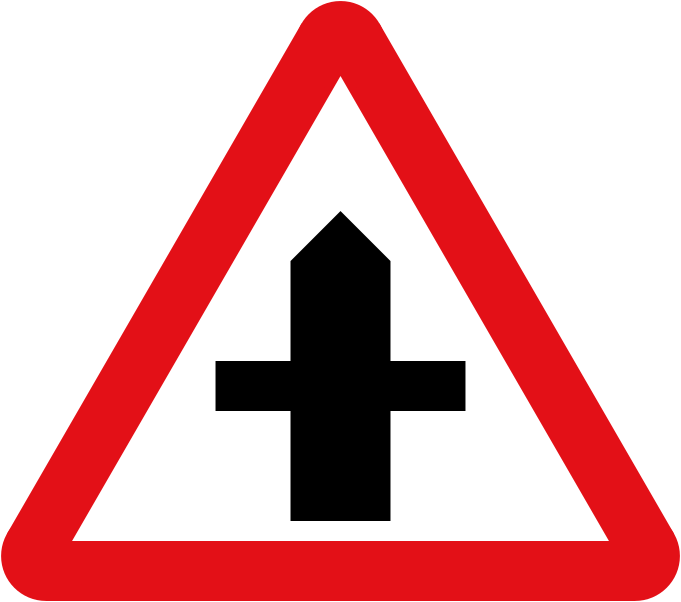 Crossroads aheadWhat it means
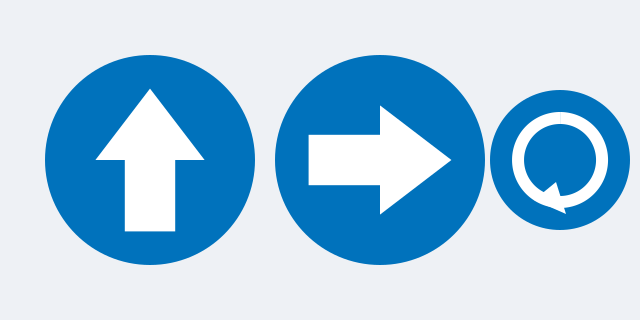 Blue circles mandatory instructionsWhat it means
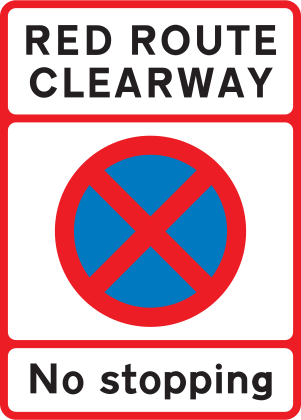 Red route red linesWhat it means
- Triangle with red border: warning, such as bends, crossroads or children.
- Red circle: you must not do something, or there is a restriction.
- Blue circle: you must do something, such as turn left or keep right.
- Rectangle: information, directions, lane use or parking details.
- Red route or yellow parking plates: read the times and conditions carefully.
Warning signs: red triangles that tell you to prepare
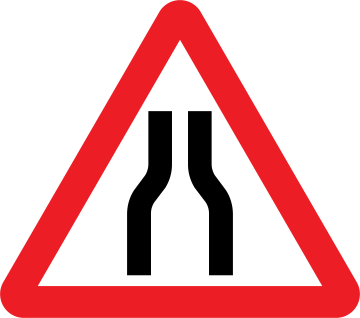
A triangular sign with a red border warns you about something ahead. It does not usually tell you to stop by itself, but it should change your plan. Typical examples include bends, crossroads, staggered junctions, traffic signals, roundabouts, two-way traffic, queues likely, cattle, deer, children, level crossings, humps and slippery road surfaces.
The test fault I see most often with warning signs is a learner noticing the sign but not using it. For example, a red triangle showing a bend is not decoration. You should check your mirrors, ease off the gas if needed, choose a safe speed before the bend, and position correctly. If you brake during the bend because you came in too fast, the examiner may mark control, planning, or appropriate speed depending on what happened.
Some warning signs are paired with plates underneath. A plate might say "for 1 mile", "oncoming vehicles in middle of road", or show a distance to the hazard. Treat the plate as part of the sign. Learners often glance at the picture but miss the wording, which can be vital on rural roads and near roadworks.
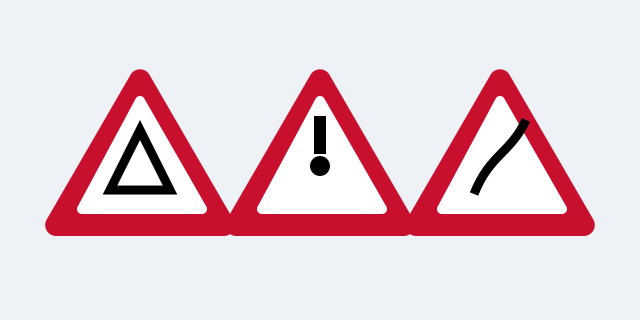 Triangular signs warnWhat it means
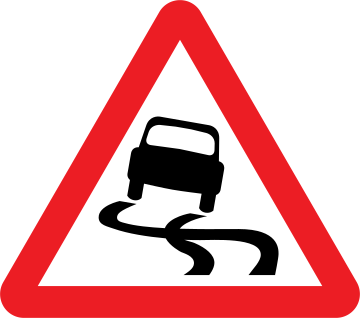 Slippery road aheadWhat it means
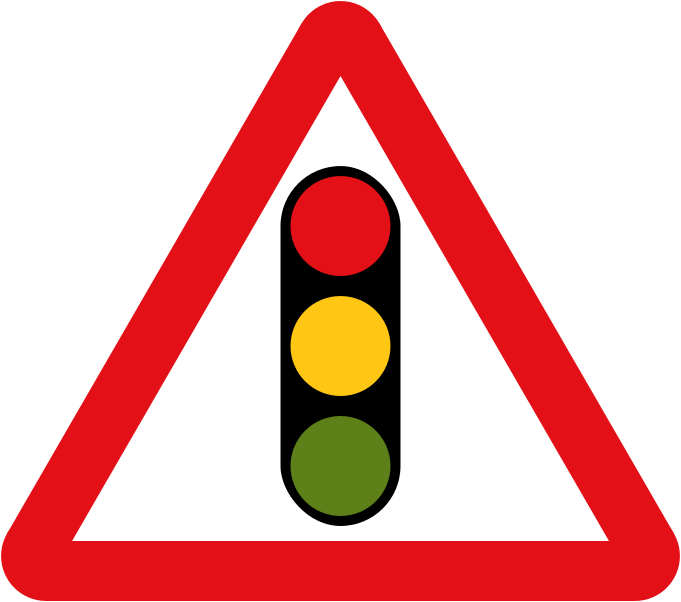 Traffic signals aheadWhat it means
- Bend or double bend: reduce speed before the bend and look through it.
- Junction ahead: expect traffic emerging and avoid late lane changes.
- School or children: scan pavements, parked cars and crossings early.
- Slippery road: avoid harsh braking, steering or acceleration.
- Traffic signals ahead: prepare for traffic slowing or stopping.
Order signs: circles that tell you what you must or must not do
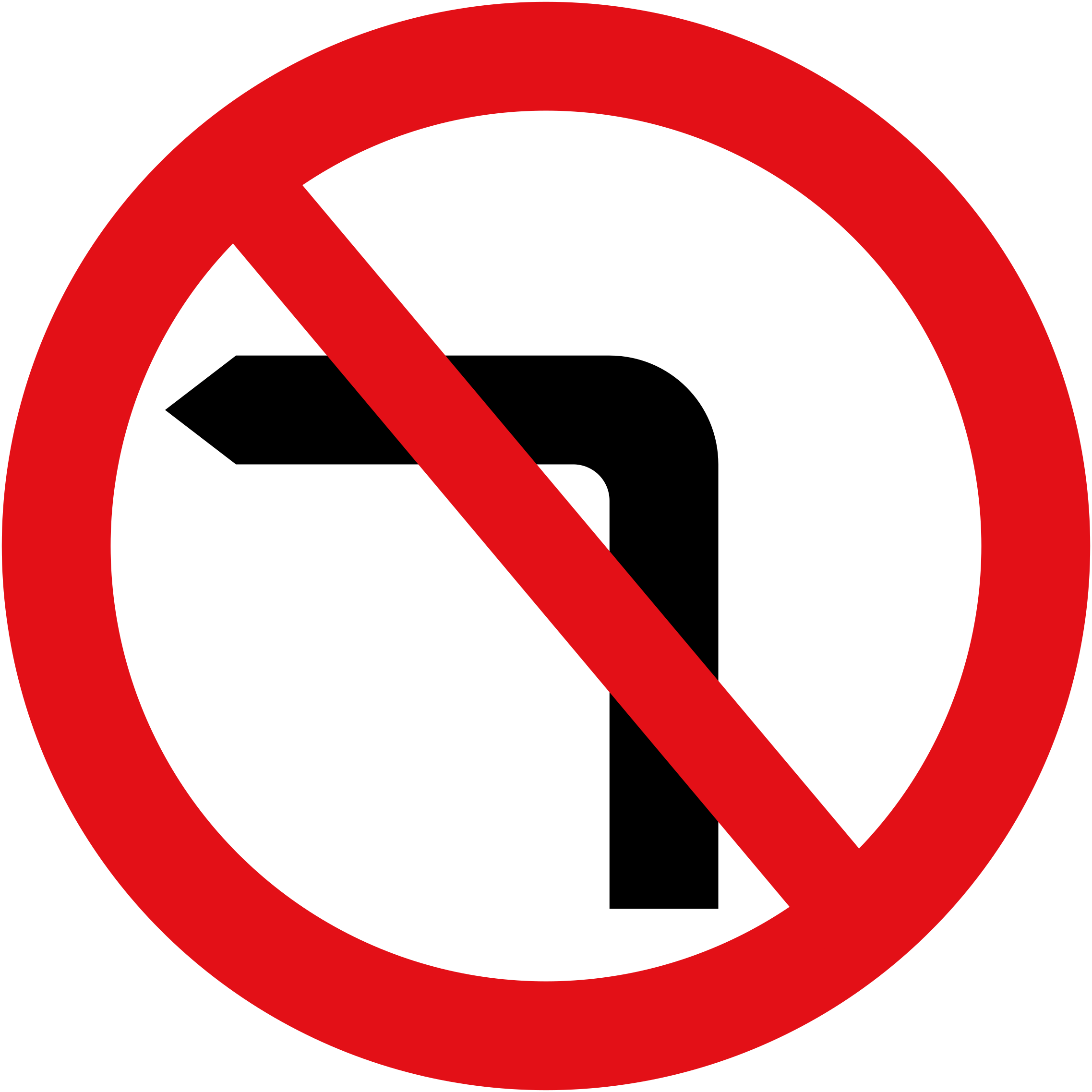
Circular signs are the ones learners should treat with real urgency because they normally give orders. A red circle usually means a prohibition or restriction, such as "no entry", "no motor vehicles", "no right turn", a weight limit, a width limit or a speed limit. A blue circle gives a positive instruction, such as "turn left", "ahead only", "keep right" or "minimum speed".
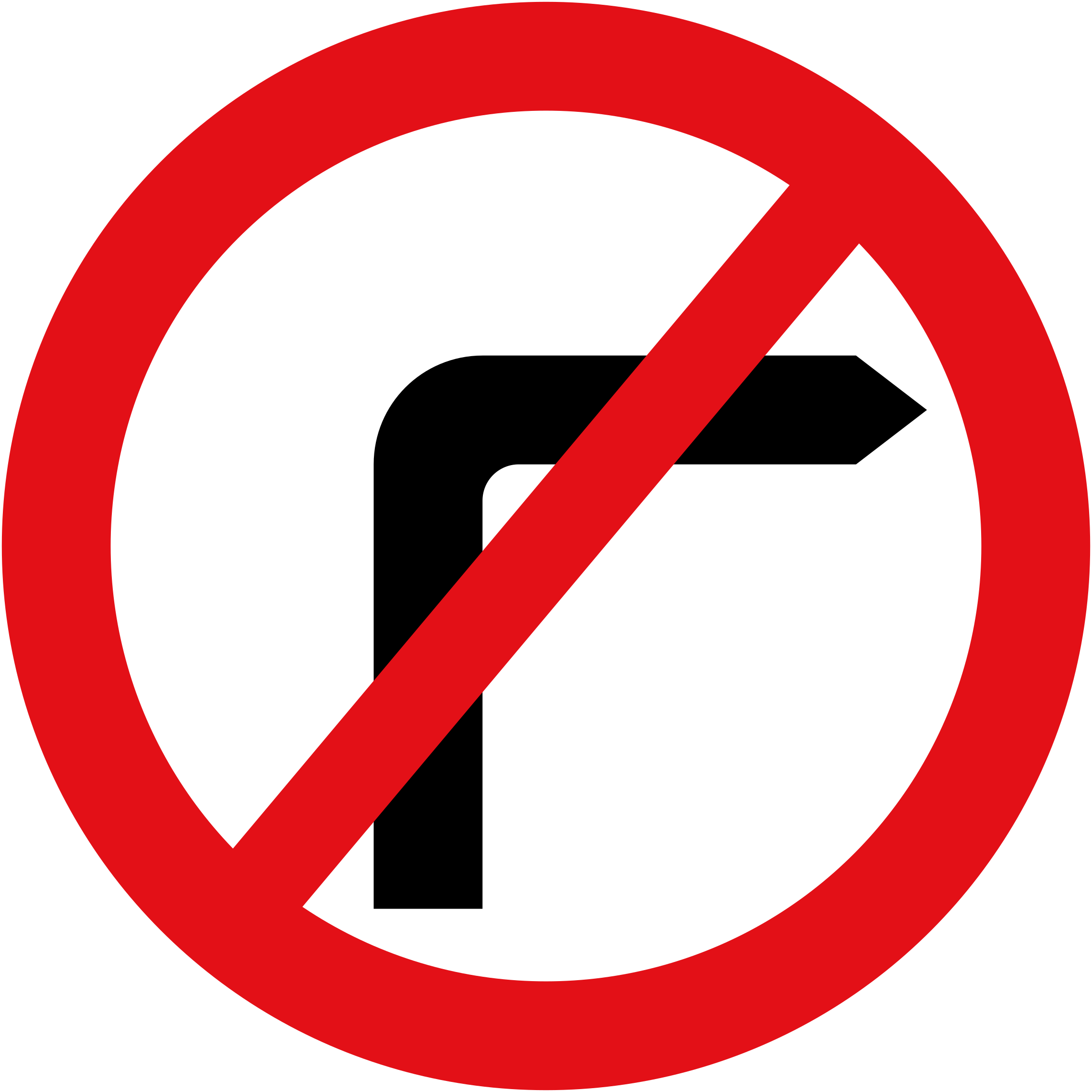
A common driving test fault is seeing a "no right turn" sign too late and then asking the examiner, "Can I still turn?" If the sign prohibits the turn, you must not do it. If you cannot follow the examiner's direction legally, continue safely and the examiner will redirect you. You are not marked down for refusing an illegal instruction. You can be marked seriously for making the illegal turn or for causing danger while trying to correct it.
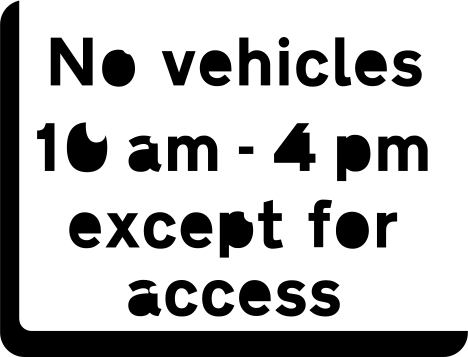
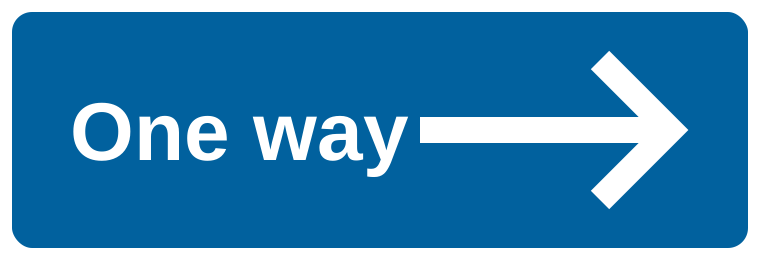
"No entry" and "no vehicles" signs are not the same. No entry is a red circle with a horizontal white bar and is normally placed at the end of a one-way road or restricted entrance. No vehicles is a red circle with a blank white centre and means vehicles must not pass, although there may be exception plates for access, buses or cycles. Read any small plate before committing.
- Red circle with number: maximum speed limit.
- Red circle with car and motorcycle: no motor vehicles.
- Red circle with arrow crossed: the shown turn is prohibited.
- Blue circle with arrow: you must follow that direction.
- Blue circle with cycle: route for pedal cycles, unless a plate says otherwise.
Speed limit signs and the national speed limit
Speed limit signs are among the most important common UK road signs because they affect both safety and legality. The red circular sign with a number is the maximum speed in miles per hour. You must not wait until the next lamppost or until the road opens up. The new limit applies from the sign, so your speed should be legal as you pass it.
The national speed limit sign is a white circle with a black diagonal stripe. For cars, The Highway Code rule 124 gives the national speed limits as 60 mph on single carriageways and 70 mph on dual carriageways and motorways, unless signs say otherwise. Built-up areas with street lights are usually 30 mph unless signs show a different limit, explained in Highway Code rule 125. Limits can differ for certain vehicles, such as goods vehicles or when towing, so check the current Highway Code and DVLA/DVSA guidance for your vehicle category.
On lessons, I often have to remind learners that a limit is not a target. If a 60 mph country road is narrow, wet, bendy or has poor visibility, driving at 60 may be inappropriate. Examiners mark whether your speed suits the conditions. Driving too slowly without reason can also be a fault if it holds up traffic or shows poor progress.
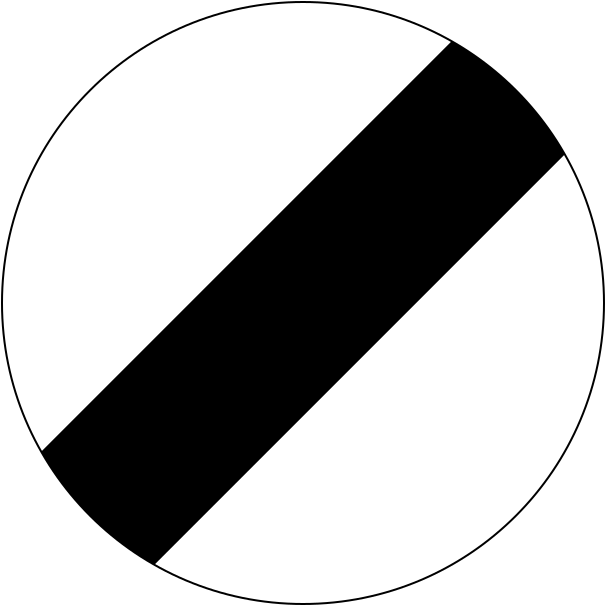 National speed limit appliesWhat it means
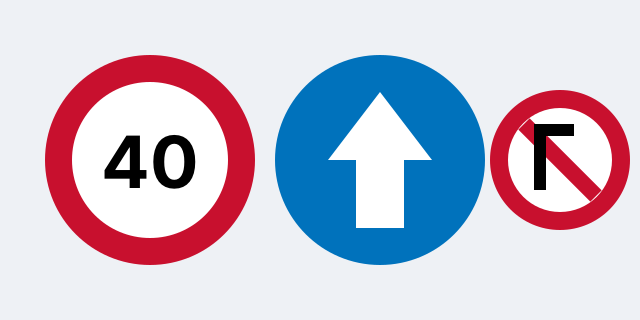 Circular signs give ordersWhat it means
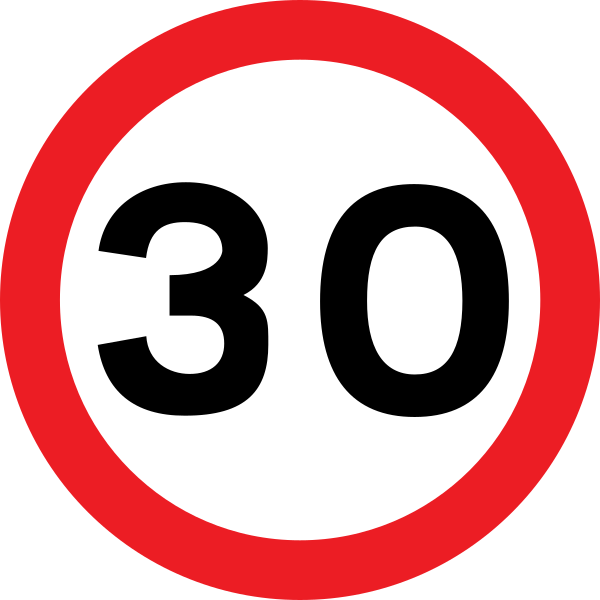 30 mph speed limitWhat it means
- 1Check your centre and appropriate side mirror as soon as you spot a new speed sign.
- 2Ease off the gas early rather than braking sharply at the sign.
- 3Be at or below the new limit by the time you pass the sign.
- 4Ask yourself whether the limit is actually safe for the conditions.
- 5Keep scanning for repeater signs, terminal signs and changes after junctions.
Information and direction signs: rectangles, route colours and lanes
Rectangular signs usually provide information or directions. On primary routes, direction signs are generally green. Motorway direction signs are blue. Local direction signs are often white, while tourist destinations often use brown signs. Learners do not need to memorise every place name, but they do need to use the signs early enough to choose the correct lane.
The classic fault is late lane selection. A learner approaches a large roundabout, sees the correct destination on a sign, but stays in the left lane because they are unsure. Then, at the last moment, they drift across a lane or cut the spiral markings. That can become a serious fault if it affects another road user. If you are in the wrong lane, it is usually safer to follow the lane you are in and let the examiner or sat nav reroute you.
Lane direction signs and overhead signs are especially important on dual carriageways and one-way systems. Arrows painted on the road support the upright signs, but they may appear quite late, especially in traffic. If a sign says a lane is for a certain destination or turn only, do not assume you can change your mind at the junction.
- Blue direction signs: motorways or motorway route information.
- Green direction signs: primary A-road routes.
- White direction signs: local routes and non-primary roads.
- Brown signs: tourist attractions and leisure destinations.
- Lane boards: choose early, signal if needed, and avoid last-second swerves.
Junction, roundabout and priority signs
Give Way, Stop, roundabout and priority signs are the signs that most directly affect junction decisions. The Give Way sign is an inverted red triangle. The Stop sign is a red octagon and means you must stop at the line, even if the road appears clear. That is one of the few signs with a unique shape, so it can be recognised even if partly obscured.
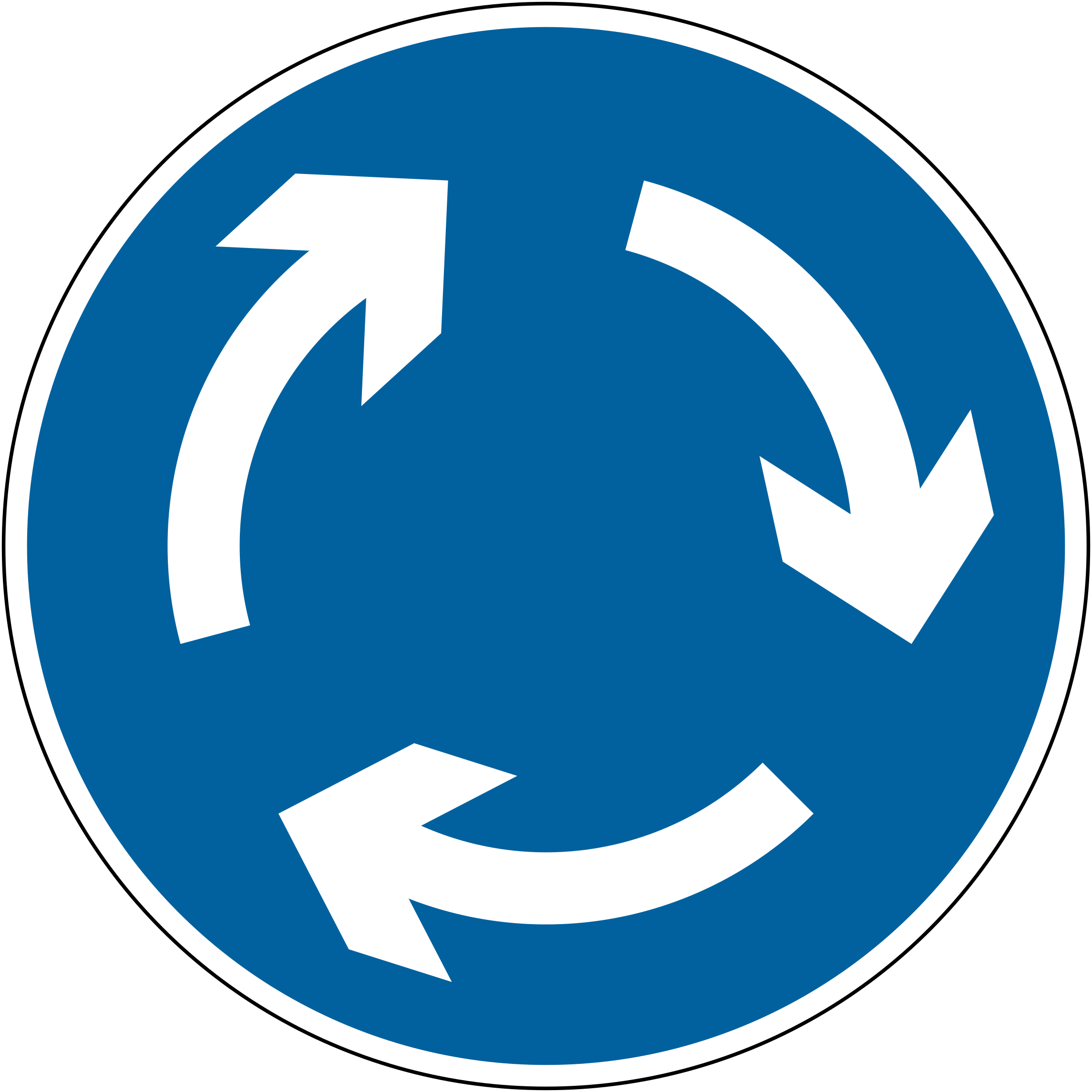
At roundabouts, signs and road markings work together. The roundabout warning sign tells you one is ahead, but the direction sign before it often gives lane guidance. Highway Code rule 185 says you should give priority to traffic approaching from your right unless signs, road markings or traffic lights direct otherwise. On mini-roundabouts, Highway Code rule 188 reminds drivers to pass around the central markings, unless the size of the vehicle or layout makes that impracticable.
Priority signs are common where the road narrows, such as at bridges or traffic-calming build-outs. A circular sign with a red arrow and black arrow means you must give priority to oncoming vehicles. A rectangular blue sign with a white arrow larger than the red arrow means you have priority, but you still need to check that oncoming traffic has actually yielded.
- Give Way: slow or stop if needed, and do not force others to change speed or direction.
- Stop: come to a complete stop at the line before moving off safely.
- Mini-roundabout: treat it as a roundabout, not as a painted bump to cut over.
- Priority to oncoming traffic: wait before the narrow section if vehicles are approaching.
- You have priority: proceed only when it is safe, because priority is not a shield.
Road markings and traffic signs must be read together
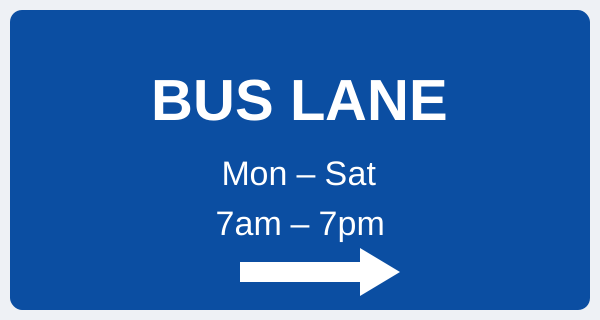
Learners sometimes separate road signs from road markings, but the examiner will not. A bus lane sign gives the times and permitted vehicles, while the lane marking shows where it starts and ends. A box junction marking works with the junction layout. Highway Code rule 174 says you must not enter the box until your exit road or lane is clear, except when turning right and prevented only by oncoming traffic or other vehicles waiting to turn right.
Yellow lines also catch new drivers out. Single and double yellow lines restrict waiting, but the exact times for single yellow lines are shown on nearby plates or controlled parking zone entry signs. Double yellow lines normally mean no waiting at any time, although loading rules and local plates matter. Parking law can be detailed, so treat this as general driving guidance and check the local signs before leaving the vehicle.
Traffic light signs and road markings need the same early planning. An advanced stop line for cycles creates a cycle box at lights. Highway Code rule 178 says motorists, including motorcyclists, must stop at the first white line reached if the lights are amber or red and it is safe to do so. Do not creep into the cycle box because you misjudged your braking.
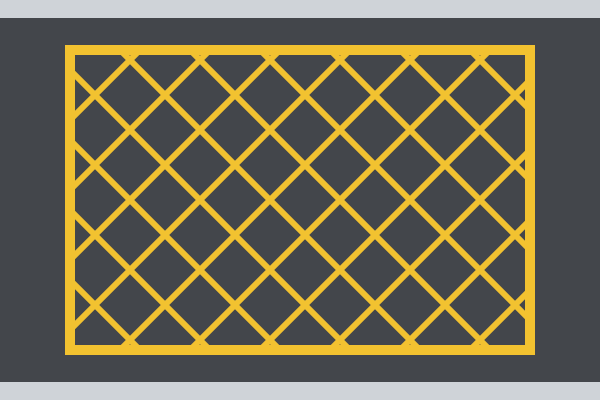
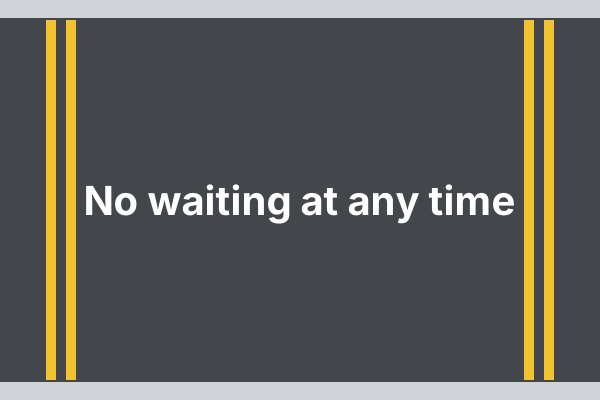
- Box junction: do not enter unless your exit is clear, apart from the right-turn exception.
- Bus lane: read the sign for times, days and permitted vehicles.
- Cycle box: stop before the first line when required.
- Yellow lines: look for plates or controlled zone entry signs.
- Lane arrows: follow them unless signs or markings clearly allow otherwise.
How examiners mark road sign mistakes on the driving test
Examiners do not have a separate category for every sign in the country. They record what your mistake shows in the driving. Missing a speed limit might be marked under use of speed. Ignoring a no entry sign may be marked as a serious or dangerous fault depending on the circumstances. Late braking for a warning sign might be marked under mirrors, control, planning or response to signs.
The important point is that a sign mistake becomes serious when it creates risk, breaks a rule, or forces another road user to react. If you miss a lane sign but continue safely and legally, it may be a driving fault or may not matter much. If you suddenly cut across because you panicked, the lane change is the problem. I tell learners: never make one missed sign into three faults by rushing the correction.
Use a simple routine whenever signs appear. See it, say quietly what it means if that helps, check mirrors, adjust speed, position, gear and signal as needed. Commentary driving can be useful in lessons because it proves to you and your instructor that your eyes are getting to the sign early enough.
- Fault: braking harshly at a speed limit sign. Better action: spot it early and reduce speed smoothly.
- Fault: entering a bus lane during restricted times. Better action: read the plate before moving left.
- Fault: turning where a sign says no right or no left turn. Better action: continue legally and accept rerouting.
- Fault: stopping in a yellow box with no clear exit. Better action: wait before the box until space appears.
- Fault: swerving lanes after a late direction sign. Better action: stay in lane and correct the route later.
Common questions
What are the three main types of UK road signs learners should know?
The easiest learner method is warning, orders and information. Warning signs are usually red triangles, order signs are usually circles, and information signs are usually rectangles. There are exceptions, such as the octagonal Stop sign, so use this as a strong guide rather than a replacement for study.
Do I need to know every road sign for the theory test?
You should study the road signs section of The Highway Code and DVSA theory test materials because any sign relevant to safe driving may appear. In practical driving, the bigger issue is not naming every sign but responding safely and legally when you see one.
What happens on the driving test if I miss a road sign?
It depends what the missed sign causes you to do. Missing a direction sign and staying safe may be minor, but ignoring a no entry, speed limit, Stop sign or lane instruction can become serious or dangerous. Examiners mark the effect on safety, legality and other road users.
When does a new speed limit start in the UK?
A new speed limit starts at the point of the speed limit sign, often called the terminal sign. You should be at or below the new limit as you pass it. The Highway Code speed limit figures are published in rule 124 and can change, so use the current official version.
What should I do if the examiner tells me to go somewhere but a sign says I cannot?
Follow the road sign and drive legally. Examiners do not expect you to break the law to follow an instruction, and they will redirect you. The safe response is to continue ahead or take a permitted route rather than making a last-second illegal turn.
Are road signs different in Scotland, Wales and England?
Most road signs are standard across Great Britain, though local restrictions, bilingual signs in Wales, and area-specific traffic schemes can vary. Always read the exact sign and any plate underneath it. Northern Ireland has its own rules and agencies, so check the relevant official guidance if driving there.
Browse driving lessons
Reading about it only gets you so far. Our instructors drill this with you in the car, on the roads around your test centre.