
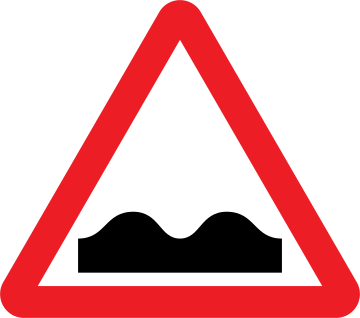
The uneven road sign displays a symbol showing two bumps on the road surface inside a red warning triangle.
It warns drivers of poor road surface conditions, dips, or bumps that could affect vehicle control or damage suspension.
What this sign means
This sign warns that the upcoming stretch of road has a rough, uneven, or degraded surface.
- Red warning triangle
- Two bumps on horizontal line symbol
- Alerts to rough surface conditions and potential control loss
What to do when you see it
Reduce your speed before reaching the rough surface and hold the steering wheel firmly with both hands.
- Slow down smoothly to prevent vehicle instability
- Maintain firm grip on the steering wheel
- Increase space from two-wheeled vehicles ahead
How this sign is tested
DVSA theory tests check understanding of driving style adjustments for rough roads and impact on vehicle stability.
Common mistakes
Driving at speed over uneven surfaces, which can cause tyre damage, loss of control, or suspension failure.
Test yourself on this one
Road and traffic signs is the biggest category in the question bank with 102 questions, and signs turn up inside other categories too. Work through them free, no sign-up needed.
Practise road sign questionsFrequently asked questions
How does an uneven road affect motorcyclists and cyclists?
Uneven surfaces can easily throw two-wheeled riders off balance or cause severe loss of control.
Is an uneven road sign the same as a speed hump sign?
No, a single-bump sign denotes traffic calming speed humps; double bumps signify natural rough road surfaces.
Should I brake while going over rough bumps?
Brake before reaching the bumps; releasing the brake before impact allows suspension to absorb shocks properly.