
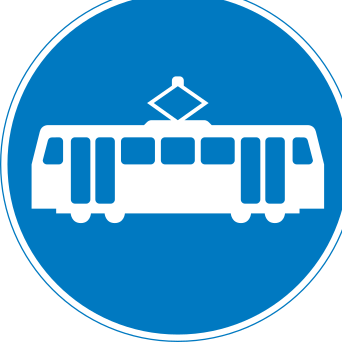
Where a tramway leaves the general carriageway it may run along a road section reserved solely for trams. The sign, often combined with road markings and a different surface, bans all other traffic.
Drivers following a satellite navigation system are the most frequent offenders.
What this sign means
Only trams may proceed. The section is normally marked with yellow lines either side of the rails and a distinct surface colour.
Cameras usually enforce the restriction.
What to do when you see it
Do not enter, and take the signed route for general traffic.
- Follow road signing rather than satellite navigation instructions.
- Never use a tram-only road to bypass a queue.
- If you enter one by mistake, leave at the first safe opportunity.
- Watch for trams approaching from behind.
How this sign is tested
Questions cover the meaning of tram-only areas and the road markings that identify them.
Common mistakes
Following the vehicle in front into a tram-only section.
Assuming that a road with rails is always open to cars.
Test yourself on this one
Road and traffic signs is the biggest category in the question bank with 102 questions, and signs turn up inside other categories too. Work through them free, no sign-up needed.
Practise road sign questionsFrequently asked questions
How are tram-only roads marked?
Signs, yellow lines beside the rails and often a different surface colour.
Are they camera enforced?
Usually yes.
What if I drive in by accident?
Leave at the first safe point and expect a penalty notice.