
These road markings are used alongside overhead signals to define tidal flow lanes on the road surface.
They typically consist of white lane lines that separate the tidal flow lane from lanes with a fixed direction of travel.
What this sign means
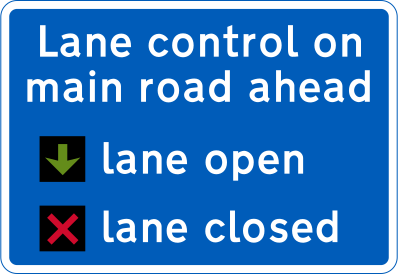
The markings show the physical boundaries of a tidal flow lane, working together with overhead green arrow and red cross signals.
They help drivers understand where the reversible lane sits in relation to the rest of the carriageway.
What to do when you see it
Always check the overhead signal above the marked lane before deciding whether to use it.
- Do not rely on markings alone, always check the current signal
- Stay within your lane, especially near the boundary with a tidal flow lane
- Be cautious of vehicles merging out of a closing tidal lane
- Follow the markings closely in poor visibility or at night
How this sign is tested
Theory test questions may combine road markings with overhead signals to test full understanding of tidal flow systems.
You may need to explain how markings and signals work together to control lane usage safely.
Common mistakes
Drivers sometimes use the markings alone to judge lane availability, ignoring the overhead signal showing a red cross.
Another mistake is straddling lane markings when uncertain about which lane is currently open.
Test yourself on this one
Road and traffic signs is the biggest category in the question bank with 102 questions, and signs turn up inside other categories too. Work through them free, no sign-up needed.
Practise road sign questionsFrequently asked questions
Do tidal flow markings look different from normal lane markings?
They can be similar but are always used alongside overhead signals that control which lane is currently open.
Can I use the markings alone without checking signals?
No, you must always check the overhead signal, as markings alone do not show current lane direction.
Where are tidal flow markings commonly found?
They are used on busy urban routes, bridges and tunnels where traffic flow needs to be managed by time of day.