
This triangular sign warns drivers that they are approaching a road section using a tidal flow lane system.
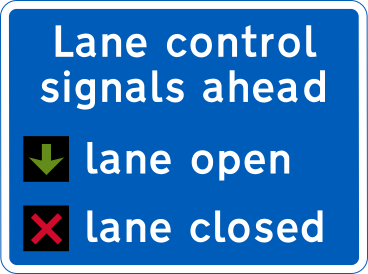
It prepares drivers to look for overhead signals that indicate which lanes are open or closed at that time.
What this sign means
It tells you that the number of lanes available in each direction may change depending on the time of day.
This helps manage traffic volume by allocating more lanes to the busier direction during peak periods.
What to do when you see it
Prepare to look for overhead signals showing green arrows, red crosses or white diagonal arrows.
- Reduce speed slightly and stay alert to lane signals
- Do not assume all lanes travel in the same direction as before
- Position your vehicle in a lane clearly marked as open
- Be extra cautious of oncoming traffic in unfamiliar lane layouts
How this sign is tested
The theory test may use this sign to introduce a question about tidal flow systems and their associated signals.
It highlights the importance of recognising changeable lane arrangements as a hazard awareness skill.
Common mistakes
Drivers unfamiliar with tidal flow systems sometimes proceed without checking the overhead signals properly.
A common error is assuming lane direction based on previous journeys rather than current signals.
Test yourself on this one
Road and traffic signs is the biggest category in the question bank with 102 questions, and signs turn up inside other categories too. Work through them free, no sign-up needed.
Practise road sign questionsFrequently asked questions
What is a tidal flow lane system?
It is a road layout where the direction of one or more lanes changes at different times to manage traffic flow.
Why are tidal flow systems used?
They help reduce congestion by giving more lanes to the direction with heavier traffic during peak times.
How will I know which lanes are open?
Overhead signals such as green arrows and red crosses indicate which lanes are available for use.