
The 'side winds' sign warns drivers of exposed road sections where sudden high-velocity crosswinds are frequently experienced.
Strong gusts can push vehicles off course, posing severe danger to high-sided lorries, caravans, motorcyclists, and cyclists.
What this sign means
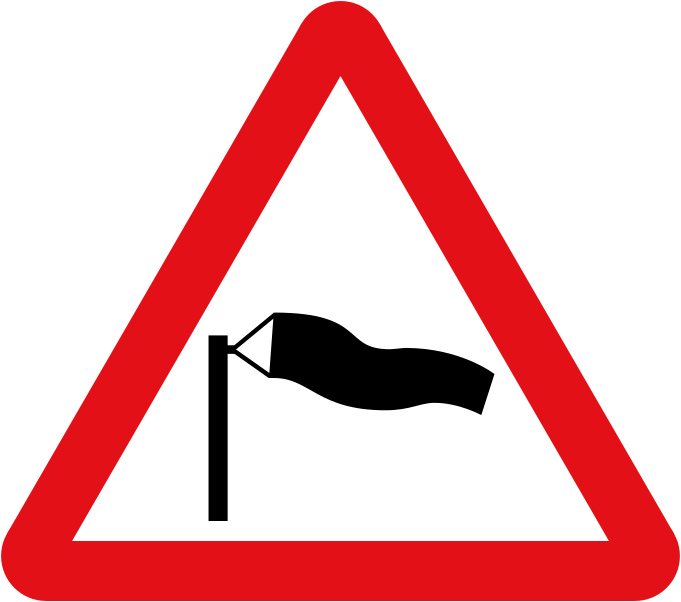
This sign features a windsock graphic inside a red warning triangle. It highlights stretches of road prone to buffeting winds.
It is standard on exposed bridges, viaducts, open moorland, and gaps between high embankments or buildings.
- Windsock pictogram in a red triangle
- Placed near open bridges, crests, and coastal routes
- Indicates areas subject to sudden strong gusts
What to do when you see it
Grip the steering wheel firmly with both hands, reduce vehicle speed, and anticipate sudden wind bursts when emerging from sheltered areas.
- Keep a firm, two-handed grip on the steering wheel
- Give extra clearance when passing cyclists or high-sided vehicles
- Slow down to maintain lateral vehicle control
How this sign is tested
DVSA theory test questions frequently focus on high-risk road users and proper vehicle control in adverse weather conditions.
- Identifying which road users suffer most from crosswinds
- Correct driver response when passing high-sided lorries
- Safe overtaking margins in windy conditions
Common mistakes
Overtaking high-sided vehicles or motorcyclists closely, failing to anticipate the sudden wind strike when passing high structures.
Test yourself on this one
Road and traffic signs is the biggest category in the question bank with 102 questions, and signs turn up inside other categories too. Work through them free, no sign-up needed.
Practise road sign questionsFrequently asked questions
Which vehicles are most affected by side winds?
High-sided lorries, buses, cars towing caravans, motorcyclists, and pedal cyclists.
Why do side winds get stronger after leaving a tunnel or cutting?
Structures and earth banks shelter vehicles; emerging into open air suddenly exposes the vehicle to full wind force.
How much gap should I give cyclists in strong winds?
Give at least as much room as you would when passing a car—at least 1.5 metres at lower speeds, and more at higher speeds.