
The 'road works ahead' sign is one of the most common temporary warning signs on UK roads, indicating construction or maintenance ahead.
It alerts drivers to hazards including narrow lanes, loose chippings, temporary traffic control, and personnel working close to live traffic.
What this sign means
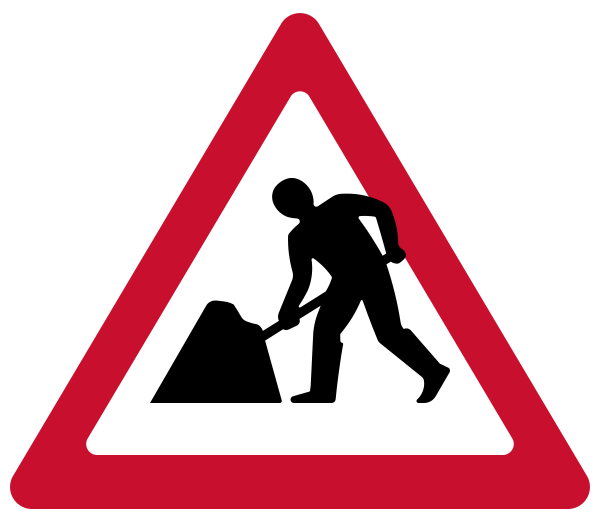
This sign features a silhouette of a person digging with a shovel inside a red warning triangle.
It indicates ongoing road maintenance, excavation, or construction, often accompanied by temporary speed limits and lane closures.
- Digging person pictogram inside a red triangle
- Signals upcoming road closures, diversions, or narrow lanes
- Often paired with distance plates or temporary speed limits
What to do when you see it
Reduce your speed, follow temporary signs and lane markings, and give workforce personnel and machinery plenty of room.
- Strictly obey temporary mandatory speed limit signs
- Keep clear of cones and temporary barriers
- Watch for slow-moving construction vehicles entering the road
How this sign is tested
DVSA theory test questions assess understanding of mandatory versus advisory speed limits in road works and cone colour meanings.
- Enforceability of mandatory temporary speed limits in red circles
- Recognising temporary line markings (yellow lines)
- Hazard perception involving site access vehicles
Common mistakes
Ignoring temporary speed limits when no workers are actively visible, or changing lanes late near taper cones.
Test yourself on this one
Road and traffic signs is the biggest category in the question bank with 102 questions, and signs turn up inside other categories too. Work through them free, no sign-up needed.
Practise road sign questionsFrequently asked questions
Are temporary speed limits in road works legally binding?
Yes. Speed limits displayed inside red circles are mandatory and legally enforceable by camera or police.
What do yellow road markings in road works mean?
Yellow lines indicate temporary lanes or revised road layouts through the construction zone.
Why must drivers slow down even if no workers are visible?
Hazards like uneven surfaces, narrow lanes, and loose gravel remain present even during non-working hours.