
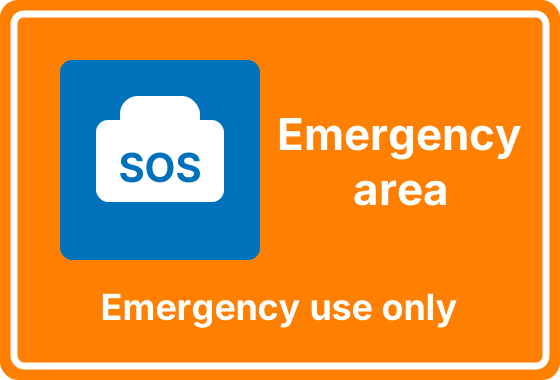
Emergency areas are marked with high-visibility orange surfacing and orange signs, usually showing an SOS telephone symbol.
They exist mainly on all-lane running smart motorways where the hard shoulder has been converted to a running lane.
What this sign means
The sign tells you an emergency refuge is at this point, or gives the distance to the next one.
An SOS telephone connects you directly to the regional control room, which knows exactly where you are.
- Orange background: emergency area information.
- SOS symbol: free emergency telephone available.
- Distance shown: how far to the next refuge.
What to do when you see it
Note where the next emergency area is as part of normal motorway scanning.
If you break down and can reach one, stop there, leave by the left-hand doors if it is safe, and stand behind the barrier before calling for help.
How this sign is tested
Theory questions cover smart motorway breakdown procedure and the correct use of emergency areas and SOS telephones.
Common mistakes
Stopping in a live lane when an emergency area was reachable.
Using an emergency area for a rest break or a phone call, which is not permitted.
Test yourself on this one
Road and traffic signs is the biggest category in the question bank with 102 questions, and signs turn up inside other categories too. Work through them free, no sign-up needed.
Practise road sign questionsFrequently asked questions
Can I stop in an emergency area to take a call?
No. Emergency areas are for emergencies and breakdowns only.
How do I rejoin the motorway?
Call the control room using the SOS phone first. They can set signs to help you rejoin safely.