
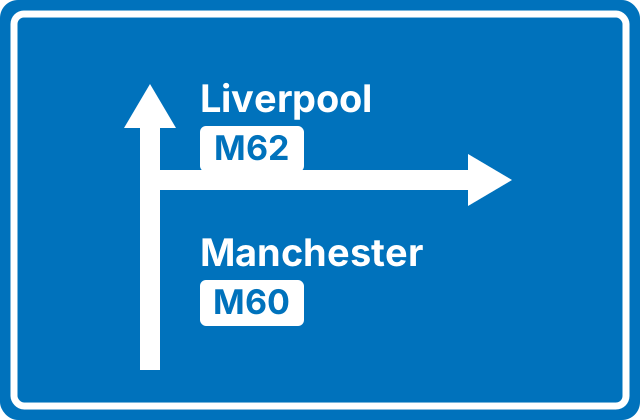
On motorways, direction signs are blue with white lettering, white borders and white route patches.
Green signs are used for primary routes and white signs for local routes, so the blue background is your clue that motorway rules apply.
What this sign means
The sign shows the destinations served by the road ahead and by the next exit, with the motorway or road number for each.
It normally appears a mile before a junction, then again closer to the slip road.
- Blue background: motorway direction information.
- Route number beginning with M: a motorway route.
- Arrow direction: which way that destination is served.
What to do when you see it
Read the route number first, then the destination, and decide early whether you are leaving or staying on.
Move into the correct lane in good time rather than reacting at the countdown markers.
How this sign is tested
Theory questions commonly ask what colour motorway direction signs are and how they differ from primary route signs.
You may also be asked what the numbers and arrows on the panel represent.
Common mistakes
Confusing green primary route signs with blue motorway signs.
Following a place name without checking the road number, then leaving at the wrong junction.
Test yourself on this one
Road and traffic signs is the biggest category in the question bank with 102 questions, and signs turn up inside other categories too. Work through them free, no sign-up needed.
Practise road sign questionsFrequently asked questions
What colour are motorway direction signs?
Blue with white text, white borders and white route number patches.
Why is the same destination on a green sign elsewhere?
Green signs are primary routes, usually A roads. The colour tells you the class of road, not the destination.
How far before the junction do they appear?
Typically one mile ahead, then again at half a mile and at the exit itself.