
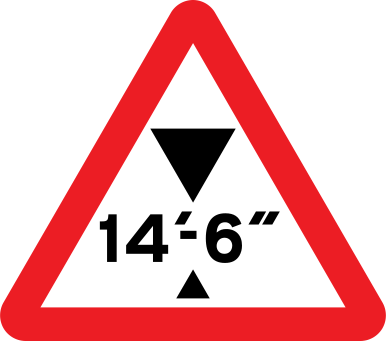
Mounted on the bridge structure, the headroom plate repeats the available clearance so a driver who has missed the advance sign has a final chance to stop.
It is informational rather than a legal prohibition, but exceeding it means striking the bridge.
What this sign means
The figure shown is the actual safe headroom at that point of the structure.
On arch bridges several plates may appear across the width, each showing the clearance for that part.
What to do when you see it
If your vehicle is close to the figure, stop and find another route.
- Compare the figure with your known vehicle height.
- Do not attempt the bridge if there is any doubt.
- Report a strike or damaged bridge to the police immediately.
- Remember roof boxes and aerials add height.
How this sign is tested
Height restriction questions appear in the road signs category and in questions about driving vans and vehicles with loads.
Common mistakes
Relying on the advance sign and not reading the plate on the structure.
Guessing vehicle height rather than knowing it.
Test yourself on this one
Road and traffic signs is the biggest category in the question bank with 102 questions, and signs turn up inside other categories too. Work through them free, no sign-up needed.
Practise road sign questionsFrequently asked questions
Is the plate a legal limit?
It states available headroom. The circular red-ringed sign carries the legal restriction.
Why are several plates used on arch bridges?
Clearance varies across the width of an arch.
What should I do after a bridge strike?
Stop, call the police, and for a railway bridge report it so trains can be halted.