
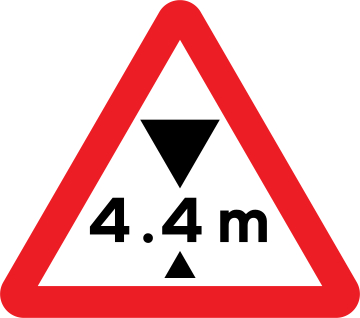
A height limit is shown inside a red ring, with the figure in both imperial and metric units. It applies to the overall height of the vehicle including any load.
Bridge strikes cost the railway millions each year and almost all of them are avoidable.
What this sign means
Vehicles taller than the figure shown must not pass. The height is measured to the highest point of the vehicle or its load.
The limit is the safe headroom, not the actual structure height, which is slightly greater.
What to do when you see it
Know your vehicle height before you set off, especially with a roof box or a van.
- Check the height of your vehicle plus any load.
- Take the signed diversion if you are too tall.
- Never guess by eye at the bridge.
- Slow down, because arch bridges are lower at the edges.
How this sign is tested
Questions test who the limit applies to and remind drivers of high vehicles to check headroom before entering a bridge or a tunnel.
Common mistakes
Forgetting that a roof box or a rack adds height.
Assuming the middle of an arch bridge is safe when the signed limit says otherwise.
Test yourself on this one
Road and traffic signs is the biggest category in the question bank with 102 questions, and signs turn up inside other categories too. Work through them free, no sign-up needed.
Practise road sign questionsFrequently asked questions
Is the height in feet or metres?
Both. British signs show imperial and metric figures.
Does the limit include my load?
Yes, it is the total height of the vehicle and anything on it.
What should I do if I am too tall?
Follow the signed alternative route. Never attempt the bridge.