
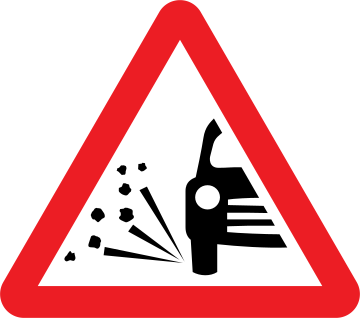
This triangle shows a car wheel throwing up stones and warns that the road surface is covered in loose chippings, normally after surface dressing work.
It is nearly always accompanied by a temporary speed limit of 20 mph and a plate warning of the risk to windscreens.
What this sign means
The surface has loose stone on it. Grip is reduced, braking distances are longer and stones can be flung up by your own tyres and by other vehicles.
The surface will be swept and settled over the following days, but until then the hazard remains.
What to do when you see it
Reduce your speed and increase the gap to the vehicle in front.
- Obey the temporary limit, usually 20 mph.
- Drop well back so stones thrown up do not reach your windscreen.
- Avoid heavy braking, sharp steering and hard acceleration.
- Take extra care on bends where the loose surface reduces cornering grip.
How this sign is tested
Questions ask what the sign warns of and why you should keep well back, with damage to windscreens and reduced grip being the expected reasons.
It also appears in questions about stopping distances on poor surfaces.
Common mistakes
Assuming the low temporary limit is over cautious and driving at the normal limit.
Following closely behind a lorry, which is the most likely source of flying stone damage.
Test yourself on this one
Road and traffic signs is the biggest category in the question bank with 102 questions, and signs turn up inside other categories too. Work through them free, no sign-up needed.
Practise road sign questionsFrequently asked questions
Why is there a 20 mph limit with loose chippings?
Low speeds stop tyres flinging stone and give you room to stop on a surface with less grip.
How long do loose chippings last?
Usually a few days, until traffic has bedded the stone into the binder and the excess has been swept.
Who pays for a stone chipped windscreen?
Normally your own insurance, so keeping your distance is the practical protection.