
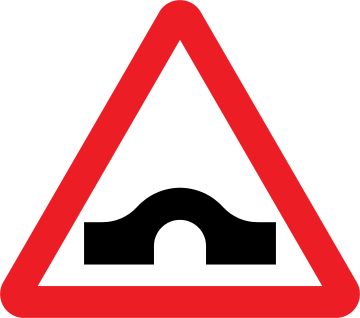
The hump bridge ahead sign displays an arched bridge graphic inside a red warning triangle.
It alerts drivers to a narrow, steep-arched bridge that obstructs forward visibility and may ground low vehicles.
What this sign means
This sign warns of an upcoming humpback bridge that restricts sightlines over the crest.
- Red warning triangle frame
- Black arched hump bridge graphic
- Warns of restricted blind crest view and narrow carriageway
What to do when you see it
Slow down on approach, keep well to the left side, and be prepared to yield if the bridge is single-lane.
- Reduce speed to manage the blind crest
- Check for oncoming vehicles before crossing
- Avoid high speeds that can lift tyres off the ground
How this sign is tested
Questions test hazard awareness, road positioning on narrow blind bridges, and speed control.
Common mistakes
Driving over the bridge crest too fast, risking a head-on collision with hidden oncoming traffic.
Test yourself on this one
Road and traffic signs is the biggest category in the question bank with 102 questions, and signs turn up inside other categories too. Work through them free, no sign-up needed.
Practise road sign questionsFrequently asked questions
Why are hump bridges dangerous for pedestrians?
Pedestrians or cyclists crossing on the other side of the crest are completely hidden from approaching drivers.
What should low-clearance vehicles do near hump bridges?
Drivers of low vehicles should check for warning plates as grounding out can occur on steep crests.
Who has right of way on a single-lane hump bridge?
Priority signs or give way lines will indicate right of way; otherwise proceed with mutual caution.