
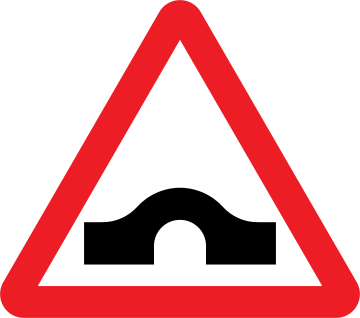
A hump bridge rises and falls sharply over a short distance. The triangle shows the humped profile and warns of the blind crest beyond it.
The two risks are losing sight of the road ahead and grounding a long or low vehicle.
What this sign means
The road rises steeply over a canal, river or railway and drops again immediately. You cannot see oncoming traffic until you are at the top.
Many hump bridges are also narrow and single track.
What to do when you see it
Slow to a speed that lets you stop within the distance you can see.
- Reduce speed well before the crest.
- Keep left and be ready for oncoming traffic.
- Never overtake on a hump bridge.
- Long vehicles should cross slowly to avoid grounding.
How this sign is tested
Questions link the sign to the rule about not overtaking where you cannot see the road ahead.
Common mistakes
Carrying speed over the crest so the car unloads and steering goes light.
Overtaking on the approach and meeting traffic at the top.
Test yourself on this one
Road and traffic signs is the biggest category in the question bank with 102 questions, and signs turn up inside other categories too. Work through them free, no sign-up needed.
Practise road sign questionsFrequently asked questions
Why is a hump bridge dangerous?
The crest hides oncoming traffic and the road beyond.
Can a car ground on one?
Low or long vehicles can, especially at speed.
Should I sound the horn?
On a narrow blind hump bridge it can help warn oncoming drivers.