
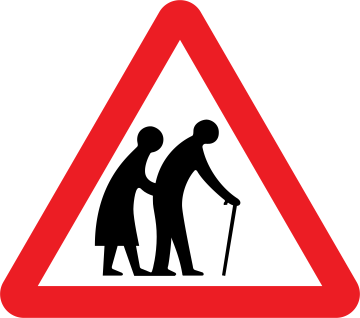
The 'frail pedestrians likely to cross' sign warns drivers that elderly or mobility-impaired individuals frequently cross the road nearby.
It is situated near care homes, retirement complexes, hospitals, and sheltered accommodation.
What this sign means
This sign depicts two elderly figures walking together inside a red warning triangle.
It warns that pedestrians in the area may move slowly, have limited sight or hearing, and take longer to cross the carriageway.
- Pictogram of two figures inside a red warning triangle
- Found near retirement communities and medical centres
- Alerts to slower pedestrian crossing times
What to do when you see it
Reduce your speed, remain patient, and give pedestrians ample time to cross completely without rushing them.
- Slow down and scan both footpaths ahead
- Do not rev your engine or wave pedestrians across impatiently
- Allow extra time for pedestrians to finish crossing
How this sign is tested
DVSA theory tests emphasise consideration for vulnerable road users and safe driver attitudes.
- Identifying pedestrian warning symbols
- Understanding physical limitations of elderly or frail pedestrians
- Safe driver responses at unofficial crossing points
Common mistakes
Beeping the horn or revving the engine, which can startle frail pedestrians and cause falls.
Test yourself on this one
Road and traffic signs is the biggest category in the question bank with 102 questions, and signs turn up inside other categories too. Work through them free, no sign-up needed.
Practise road sign questionsFrequently asked questions
Where is this sign commonly positioned?
Near residential care homes, day centres, sheltered housing, and community medical clinics.
Should I wave pedestrians across the road here?
No. Waving can draw pedestrians into the path of another vehicle travelling in another lane or direction.
Why do frail pedestrians need extra consideration?
They may have reduced mobility, poorer eyesight, slower reaction times, or difficulty judging vehicle speeds.