
The 'agricultural vehicles' sign alerts motorists to slow-moving tractors, harvesters, and machinery on rural roads.
These vehicles often turn into farm entrances unexpectedly and can drop mud onto the road surface.
What this sign means
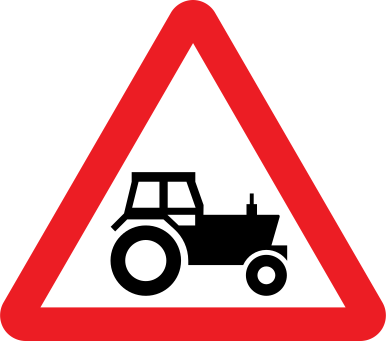
This sign features a tractor pictogram inside a red warning triangle.
It warns drivers that large, slow-moving farm vehicles enter, turn across, or travel along the carriageway.
- Tractor symbol in a red warning triangle
- Found on countryside routes and near farm entrances
- Warns of slow vehicles, wide loads, and mud on the road
What to do when you see it
Be patient, stay back to maintain good forward visibility, and only overtake when you have a clear, safe view ahead.
- Watch for mud on the road surface causing reduced grip
- Keep well back so you can see past wide farm equipment
- Anticipate sudden right turns into hidden field gates
How this sign is tested
DVSA theory tests check your hazard perception on country lanes and your understanding of safe overtaking principles.
- Managing skidding risks from mud on country roads
- Safe positioning behind large, slow-moving vehicles
- Recognising rural hazards in hazard perception videos
Common mistakes
Overtaking a tractor without a clear view ahead, only to find it turning right into an unseen field entrance.
Test yourself on this one
Road and traffic signs is the biggest category in the question bank with 102 questions, and signs turn up inside other categories too. Work through them free, no sign-up needed.
Practise road sign questionsFrequently asked questions
Why is mud on the road dangerous?
Mud significantly reduces tyre grip, creating slick, skidding hazards, especially when wet.
Are tractors allowed on dual carriageways?
Yes, tractors can legally use dual carriageways, though they must display an amber flashing beacon if travelling under 25 mph.
How far back should I follow a tractor before overtaking?
Stay far enough back so that you can clearly see the road ahead past the tractor and allow the tractor driver to see you in their mirrors.