
The 'elderly pedestrians likely to cross' sign is designed to protect senior citizens who may cross the road slowly.
Drivers must show patience and reduce speed in areas marked with this warning.
What this sign means
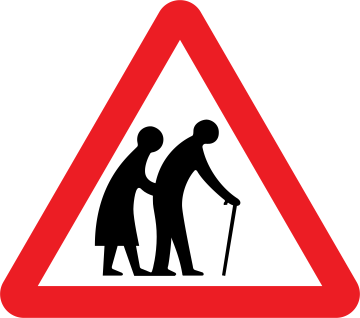
The sign depicts two elderly figures walking within a red warning triangle border.
It notifies motorists that older pedestrians use this crossing point regularly and may take longer to navigate across.
- Red warning triangle depicting senior pedestrians
- Warns of slower pedestrian traffic ahead
- Positioned near retirement communities and parks
What to do when you see it
Drive with extra caution, scan both sides of the road ahead, and be ready to yield priority smoothly.
- Reduce vehicle speed in advance
- Give pedestrians time to cross without sounding your horn
- Watch for pedestrians who may not notice your vehicle
How this sign is tested
DVSA theory tests check your understanding of road safety rules regarding vulnerable and elderly road users.
- Identifying pedestrian warning signs
- Awareness of pedestrian speed and perception differences
- Safe driving strategies in community areas
Common mistakes
Expecting elderly pedestrians to walk quickly across the road or assuming they have seen your approaching car.
Test yourself on this one
Road and traffic signs is the biggest category in the question bank with 102 questions, and signs turn up inside other categories too. Work through them free, no sign-up needed.
Practise road sign questionsFrequently asked questions
How does this sign differ from the school warning sign?
This sign shows elderly figures and warns of senior pedestrians, whereas the school sign depicts children.
Should I sound my horn if an elderly person is walking slowly?
No, sounding your horn can startle them and cause loss of balance.
Where is this sign commonly located?
Near pension offices, community centres, parks, and senior residential areas.