
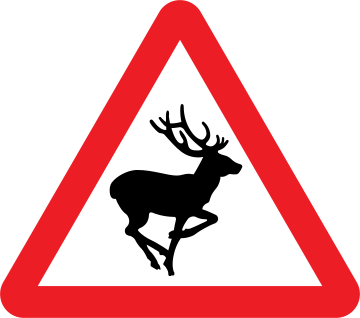
,The wild animals likely sign features a black deer silhouette enclosed in a red warning triangle.
It is erected in areas where wild animals such as deer, wild boar, or other fauna frequently wander across the carriageway.
What this sign means
This sign warns drivers that wild animals are likely to stray onto the road in the area ahead.
- Red triangle warning boundary
- Black leaping deer silhouette
- Indicates high wildlife crossing risk
What to do when you see it
Reduce your speed and scan the road margins and verges ahead, particularly at dawn, dusk, and nighttime.
- Use main beam headlights at night, but dip them if you see an animal on the road
- Be prepared to stop safely
- Remember that animals often travel in groups
How this sign is tested
Theory test questions cover driver reaction techniques, headlight management, and handling unexpected hazards in rural areas.
Common mistakes
Swerving abruptly into oncoming traffic to avoid an animal instead of braking firmly in a straight line.
Test yourself on this one
Road and traffic signs is the biggest category in the question bank with 102 questions, and signs turn up inside other categories too. Work through them free, no sign-up needed.
Practise road sign questionsFrequently asked questions
Why should you dip your lights if you see a deer?
Full beam headlights can freeze deer in place, making them startle and stay on the road.
At what time of day are wild animal collisions most common?
At dawn and dusk, when wildlife is most active and light levels are reduced.
Does one animal on the road mean others are nearby?
Yes, herd animals like deer often travel in groups, so more may follow immediately.