
The answer options
- Test the brakesCorrect
- Accelerate quickly
- Check tyre pressure
- Turn on your hazard lights
Why that is the answer
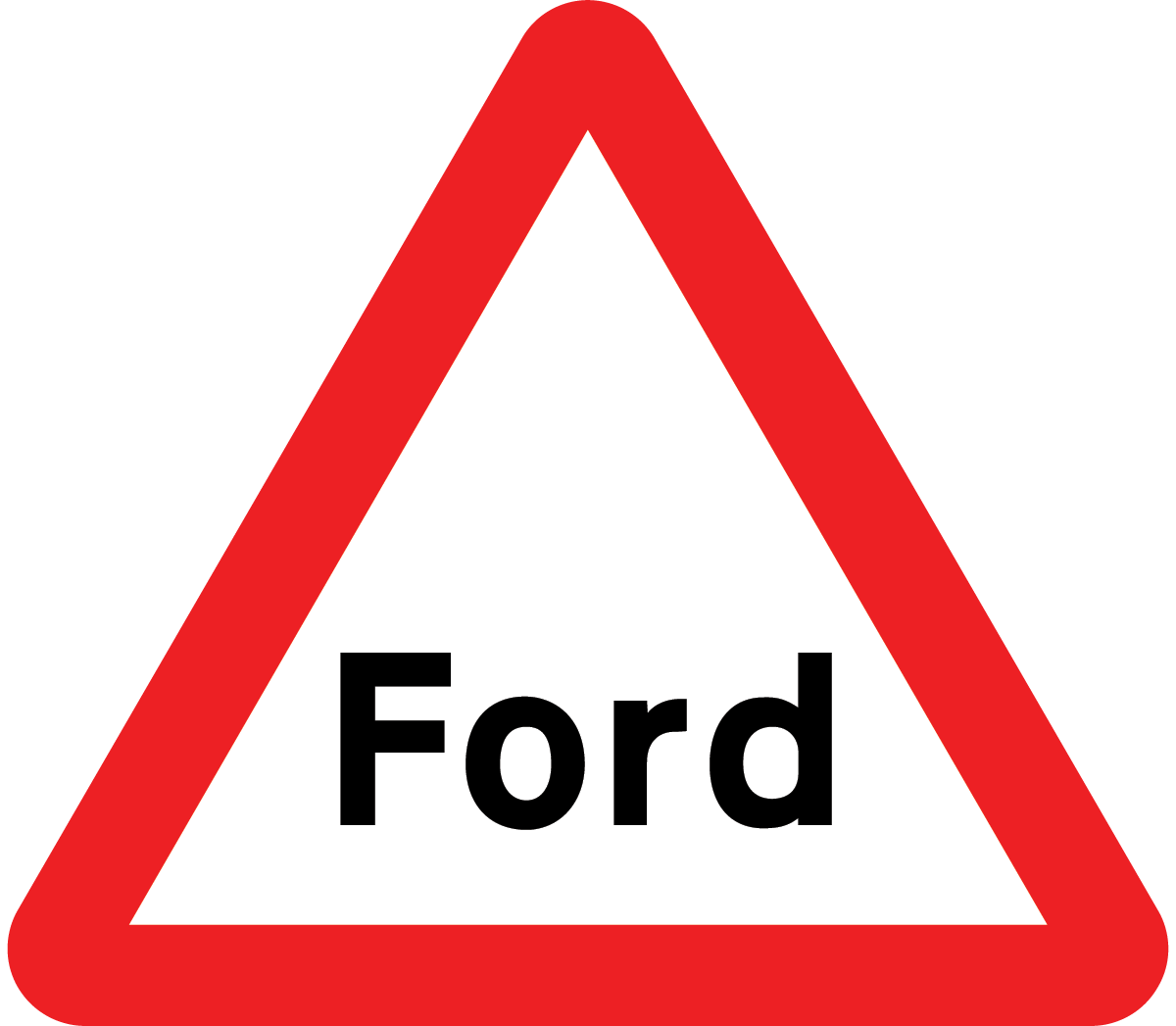
Driving through deep water or a ford makes your brakes wet, significantly reducing their effectiveness. The Highway Code states that after passing through water, you should test your brakes gently while moving slowly. This dries them out and confirms they are working properly. Accelerating quickly is dangerous because you might need to stop suddenly before your brakes have recovered full stopping power.
How this comes up in the real test
Questions from safety margins appear throughout the 50-question multiple-choice section, and the wording changes between versions. Learn the rule rather than the sentence: the DVSA can ask the same point from the opposite direction, and a memorised answer falls over the moment the phrasing moves.
The pass mark is 43 out of 50, so seven wrong answers is your entire margin. If a whole category is shaky, run the topic practice below until you are getting every question right for the right reason, then go back to full mocks under the clock.
More safety margins questions
- What circumstances will cause an increase in your total stopping distance?
- As you approach a right-hand bend, you should keep well to the left. Why is this?
- How can the engine of your car be used as a brake?
- How can you avoid wheelspin when you’re driving on an icy road?
- How can you tell if your vehicle's tyres are losing their grip on a wet road surface?
- How should you make sure your brakes are working properly after passing through floodwater?