
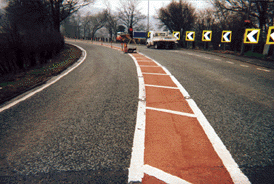
The answer options
- Overtaking area for motorcyclists
- Separates traffic in opposite directionsCorrect
- Separates sides of a dual carriageway
- Temporary marking to warn of roadworks
Why that is the answer
Hatched areas painted along the centre of the road are used to separate traffic travelling in opposite directions and protect vehicles turning right. According to the Highway Code, they also help narrow the road visually to slow traffic down. Dual carriageways are separated by a central reservation rather than paint markings alone, and these hatched areas are permanent features, not temporary roadworks warnings or exclusive overtaking lanes for motorcyclists.
How this comes up in the real test
Questions from road and traffic signs appear throughout the 50-question multiple-choice section, and the wording changes between versions. Learn the rule rather than the sentence: the DVSA can ask the same point from the opposite direction, and a memorised answer falls over the moment the phrasing moves.
The pass mark is 43 out of 50, so seven wrong answers is your entire margin. If a whole category is shaky, run the topic practice below until you are getting every question right for the right reason, then go back to full mocks under the clock.
More road and traffic signs questions
- A police car is following you. If a police officer gestures to go left while flashing their headlights, what should you do?
- After turning at a junction you should ensure your indicators are cancelled promptly. Why is this?
- At traffic lights, what does it mean when the amber light shows on its own?
- How can you identify traffic signs that give orders?
- How should one indicate a left turn with their arms?