The answer options
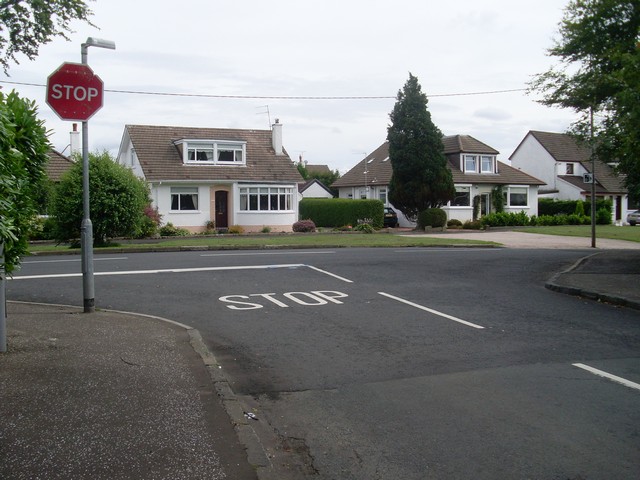
- Stop where you can see clearly, even if this is beyond the line
- Stop if there is traffic on the main road
- Stop behind the line, edging forward if needed to seeCorrect
- Stop if you are turning right
Why that is the answer
The Highway Code states that at a Stop junction, you must bring your vehicle to a complete stop behind the solid white line first. Crossing the line before stopping is illegal and dangerous. Stopping is mandatory regardless of whether traffic is visible or which way you are turning. If your view is restricted, stop behind the line first, then edge forward carefully until you can see clearly before emerging.
How this comes up in the real test
Questions from hazard awareness appear throughout the 50-question multiple-choice section, and the wording changes between versions. Learn the rule rather than the sentence: the DVSA can ask the same point from the opposite direction, and a memorised answer falls over the moment the phrasing moves.
The pass mark is 43 out of 50, so seven wrong answers is your entire margin. If a whole category is shaky, run the topic practice below until you are getting every question right for the right reason, then go back to full mocks under the clock.
More hazard awareness questions
- A friend has given you some cough medicine. You take some and wish to drive your car, what should you do first?
- A motorcyclist has just overtaken you. What should you do if the motorcyclist sharply cuts in front of you?
- A police officer is making this signal to oncoming traffic. What does this mean?
- Before taking any medicine you should always check the leaflet. Why is this?
- Certain two-way streets have three lanes on them. Why do they pose a special risk?
- Do you need to plan rest stops when you’re planning a long journey?