
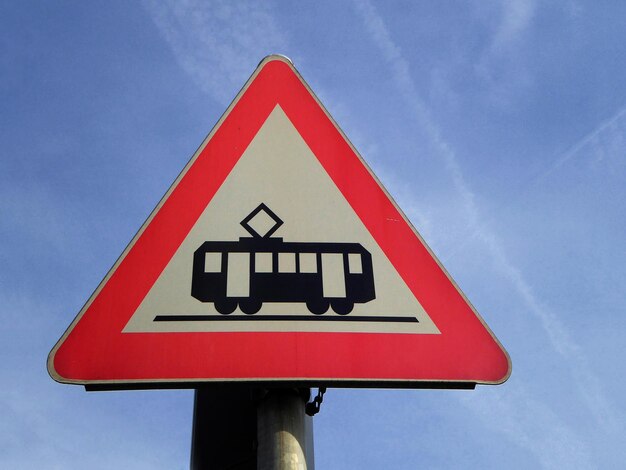
The answer options
- It is powered by gravity
- It is powered by electricityCorrect
- It is powered by diesel
- It is powered by diesel
Why the other options are wrong
- “It is powered by gravity” is a distractor. It does not meet the standard the question is testing, which it is powered by electricity does. Picking it in the real test costs a mark you cannot get back, and with a pass mark of 43 out of 50 you only have seven to spare.
- “It is powered by diesel” is a distractor. It does not meet the standard the question is testing, which it is powered by electricity does. Picking it in the real test costs a mark you cannot get back, and with a pass mark of 43 out of 50 you only have seven to spare.
- “It is powered by diesel” is a distractor. It does not meet the standard the question is testing, which it is powered by electricity does. Picking it in the real test costs a mark you cannot get back, and with a pass mark of 43 out of 50 you only have seven to spare.
Why that is the answer
Electric vehicles are powered by electricity stored in rechargeable batteries rather than fossil fuels. Because they produce zero tailpipe emissions while being driven, they do not release harmful exhaust gases like carbon dioxide or particulates into the atmosphere. Vehicles powered by diesel burn fossil fuels, which contribute to air pollution and climate change. DVSA guidance highlights choosing electric power as an effective way to reduce your environmental impact.
What safety and your vehicle covers
- · Legal minimum tread depth of 1.6mm across the central three-quarters
- · Dashboard warning lamp colours and which mean stop immediately
- · Braking, steering and suspension faults and how they feel
- · Fuel economy, emissions and eco-safe driving technique
Mistakes learners repeat on this topic
- · Quoting 1.6mm as an all-weather safe depth rather than the legal minimum
- · Checking tyre pressures when the tyres are hot instead of cold
- · Treating an amber warning lamp as something to ignore
- · Forgetting that an over-inflated tyre wears in the centre, not the edges
Instructor tip: Learn the warning lamp colours as a traffic-light system: red stop, amber investigate, green or blue informational.
How this comes up in the real test
Questions from safety and your vehicle appear throughout the 50-question multiple-choice section, and the wording changes between versions. Learn the rule rather than the sentence: the DVSA can ask the same point from the opposite direction, and a memorised answer falls over the moment the phrasing moves.
The pass mark is 43 out of 50, so seven wrong answers is your entire margin. If a whole category is shaky, run the topic practice below until you are getting every question right for the right reason, then go back to full mocks under the clock.
More safety and your vehicle questions
- A vehicle MOT test will include an exhaust emissions test. What is the reason for this?
- Before leaving your vehicle unattended, what should you remove from it?
- How can drivers help the environment?
- How can driving in a fuel-efficient manner help protect the environment?
- How can the volume of traffic on roads be reduced?
- How can you avoid wasting fuel?