
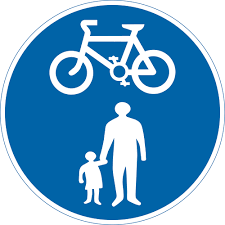
The answer options
- Cyclist route
- Pedestrian route
- Pedestrians and cyclists not allowed
- Pedestrian and cyclist routeCorrect
Why that is the answer
This blue circular sign shows a designated route for both pedestrians and cyclists. Blue circles give positive instructions or indicate permitted routes for specific road users. It does not mean they are prohibited, as prohibition signs feature a red ring rather than a blue background. Drivers must take extra care near these areas, as pedestrians and cyclists may join or cross the road, following general Highway Code advice on protecting vulnerable road users.
How this comes up in the real test
Questions from vulnerable road users appear throughout the 50-question multiple-choice section, and the wording changes between versions. Learn the rule rather than the sentence: the DVSA can ask the same point from the opposite direction, and a memorised answer falls over the moment the phrasing moves.
The pass mark is 43 out of 50, so seven wrong answers is your entire margin. If a whole category is shaky, run the topic practice below until you are getting every question right for the right reason, then go back to full mocks under the clock.
More vulnerable road users questions
- A moving vehicle ahead is showing a flashing amber beacon. What does this signal?
- As you approach a pelican crossing, the lights change to green. What should you do if older people are still crossing?
- At night, what does it mean if you see a pedestrian wearing reflective clothing and carrying a bright red light?
- Before turning right into a side road, why should you check for motorcyclists?
- How can you reduce your risk of involvement in accidents or collisions when you have just passed your driving test?
- How should you pass riders on horses?